
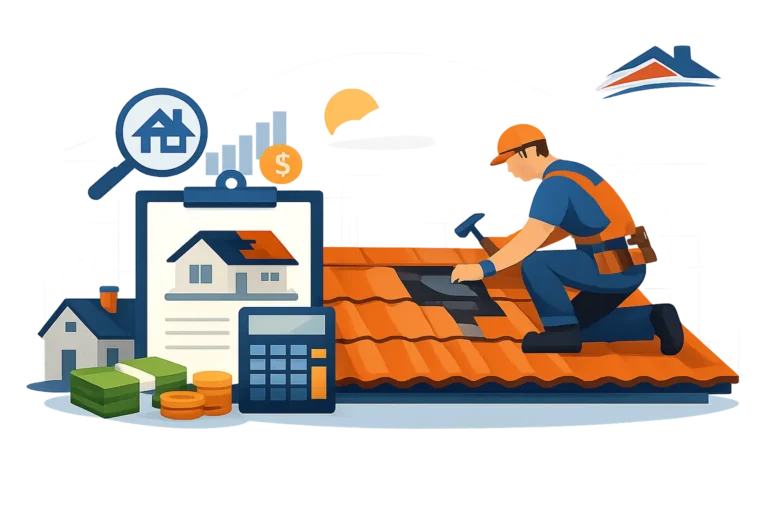
A roof leak rarely picks a convenient time. It shows up after a hard rain, during a windstorm, or right when you were hoping to put off home maintenance for another season. If you are asking what is the average roof repair cost, the honest answer is that most homeowners pay anywhere from a few hundred dollars for a minor repair to several thousand for more involved work.
That wide range is not a dodge. Roof repair pricing depends on what is damaged, how easy it is to access, what roofing material is on your home, and whether the issue is isolated or a sign of deeper wear. A missing shingle and a hidden leak around flashing may both look small from the ground, but they are priced very differently once a roofer starts tracing the actual source.
What is the average roof repair cost for most homes?
For a typical residential roof, many repairs fall somewhere between $400 and $1,500. Smaller fixes can land below that range, while structural repairs, widespread storm damage, or urgent emergency work can push well beyond it.
A simple shingle replacement or small patch may cost around $250 to $600 if the problem is limited and easy to reach. Flashing repairs around a chimney, vent, or skylight often run higher because they require more precise labor and can involve removing and reinstalling surrounding roofing materials. If water has already made its way beneath the outer surface, the job may also include replacing underlayment or sections of roof decking.
This is why average numbers are useful only as a starting point. The real question is not just how much roof repair costs in general. It is how much your roof repair will cost based on the actual condition of the system.
Why roof repair prices vary so much
Roofing is one of those trades where the visible symptom is not always the full problem. A ceiling stain might come from cracked flashing, failed sealant, damaged shingles, or an issue farther upslope where water is traveling before it becomes visible indoors.
Labor is a major part of the cost. Steeper roofs take more time and more safety setup. Multi-story homes can be harder to access. Roofs with valleys, dormers, chimneys, skylights, and other penetrations require more detailed work than simple roof planes.
Material also matters. Asphalt shingles are usually the most straightforward and affordable to repair. Metal roofing can be extremely durable, but repairs may require specific techniques, matching panels, and experienced installation practices. Older roofs can also become more expensive to repair if original materials are discontinued or brittle from age.
Then there is the extent of the damage. A repair stays relatively affordable when the issue is found early. Once moisture reaches decking, insulation, fascia, or interior finishes, the scope and cost increase quickly.
Common repairs and their typical cost range
Minor shingle repair is often the least expensive category, especially when only a small section has lifted, cracked, or blown off. Flashing repair usually costs more because leak-prone areas around roof penetrations require careful sealing and replacement.
Vent boot replacement is another common repair. It is not usually the biggest job on the roof, but it can cause persistent leaks if left alone. Ridge cap damage, exposed nail heads, and localized sealant failure also fall into the moderate repair category.
More expensive repairs tend to involve rotten decking, widespread storm damage, sagging sections, or water intrusion that has been active long enough to affect multiple layers of the roof system. At that point, the contractor is no longer just fixing the surface. They are restoring the roof assembly so it can protect the home properly.
What affects the average roof repair cost the most?
If you are comparing estimates, a few factors usually drive the biggest differences.
The first is size of repair area. Even if the leak appears small, the crew may need to remove more surrounding material to inspect and rebuild the area correctly. Roofing done right is not just about covering the visible hole.
The second is roof type and complexity. A low-slope section, steep pitch, or roof with multiple transitions often takes longer and requires more material handling. That affects labor hours, which affects price.
The third is urgency. Emergency tarping, after-hours service, or storm-response work can cost more than a scheduled repair because it disrupts normal scheduling and often happens in tougher conditions.
The fourth is whether the roof is repairable at all. If a roof is near the end of its service life, a responsible contractor may tell you that a repair is possible but not the best value. That is not upselling when it is backed by the roof’s actual condition. It is helping you avoid spending money on a short-term fix that may fail again soon.
Repair versus replacement
This is where homeowners can get stuck. They call for a repair because they want to solve one leak, but the inspection reveals broader wear across the roof.
In many cases, repair is still the right move. If the roof is otherwise in solid condition and the damage is localized, a targeted repair can restore performance and buy you years of service. That is especially true when the issue comes from isolated storm damage or failure around a specific detail like flashing or a vent penetration.
But if shingles are curling, granules are badly worn, multiple leak points are showing up, or the decking has sustained repeated moisture damage, replacement may be the more cost-effective decision. Spending $1,500 here and $1,200 there on an aging roof can add up quickly without solving the bigger problem.
A good contractor should explain that trade-off clearly. You want a repair estimate that reflects the actual condition of the roof, not just the cheapest temporary patch.
Insurance, storm damage, and out-of-pocket costs
Some roof repairs are paid fully out of pocket. Others may involve insurance, particularly after wind damage or other sudden events. The key difference is usually whether the damage came from a covered incident or from normal wear and aging.
If a storm tears off shingles or damages flashing, your insurer may cover part or all of the repair, depending on your policy and deductible. If the roof is simply worn out from age, maintenance-related deterioration is usually not covered.
This is another reason professional documentation matters. A detailed inspection can help clarify what happened, how extensive the damage is, and whether repair or replacement is the better path. For homeowners, that means fewer surprises and a clearer understanding of what the next step should be.
Why the cheapest roof repair is not always the best value
Price matters. Every homeowner has a budget. But with roofing, the lowest quote is not always the least expensive choice over time.
A low bid may leave out critical steps like replacing damaged underlayment, correcting flashing details, or inspecting nearby areas for hidden moisture. It may also come from an unverified contractor without proper insurance, safety practices, or workmanship standards. If the repair fails in six months, you are paying twice.
That is why many property owners look beyond the initial number. They want to know who is doing the work, what materials are being used, whether the repair addresses the cause of the problem, and what protection comes with the finished job. Companion Roofing takes that approach because durable roofing work depends on craftsmanship, proper system knowledge, and a clear process from inspection through completion.
How to get a more accurate repair estimate
The fastest way to move from guesswork to a useful number is to schedule an inspection. Photos from the ground or inside the attic can help, but roof repairs are rarely priced accurately without seeing the roof up close.
A reliable estimate should explain what is damaged, what needs to be removed, what will be replaced, and whether any adjacent areas show signs of wear. It should also be honest about uncertainty. Sometimes a contractor can provide a solid estimate for the visible repair while noting that final pricing could change if hidden deck damage is uncovered once the area is opened.
That kind of transparency is a good sign. Roofing professionals who have done this work for years know that water has a way of hiding the full story until the repair begins.
So, what should homeowners expect?
If you need a working budget, most roof repairs land between a few hundred and a few thousand dollars, with many standard residential jobs falling in the middle of that range. Small repairs can stay fairly modest. Larger leaks, structural issues, and emergency situations cost more.
What matters most is timing. The sooner a roof problem is inspected, the better your chances of keeping the repair focused and affordable. Waiting rarely makes a roofing issue simpler. If anything on your roof looks suspect, the most cost-effective move is usually to have it checked before the next storm decides for you.