
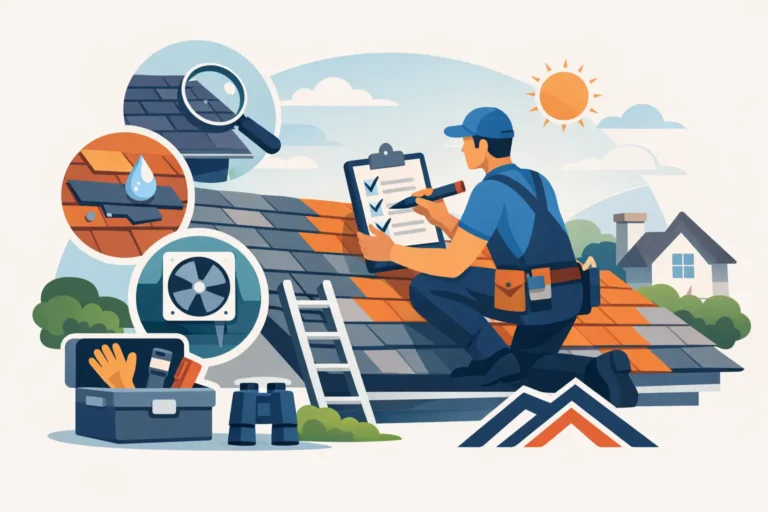
A roof problem rarely starts with a dramatic collapse. More often, it starts with a lifted shingle after a windstorm, a bit of flashing that has pulled away, or a clogged gutter sending water where it should never go. That is why a solid roof maintenance checklist for homeowners matters. It helps you catch small issues before they turn into interior damage, mold, insulation problems, or a much more expensive repair.
In a coastal climate, roofs take a beating. Wind, heavy rain, salt air, freeze-thaw cycles, and snow all put steady stress on roofing materials. Even a newer roof benefits from regular attention. Maintenance is not just about extending roof life. It is about protecting the structure underneath and avoiding surprises when the weather gets rough.
Why a roof maintenance checklist for homeowners matters
Most homeowners only think about the roof when they see a stain on the ceiling. By then, the issue has often been there for a while. Water can travel, soak wood decking, affect ventilation, and damage attic insulation long before it becomes visible indoors.
A routine checklist gives you a practical way to stay ahead of those problems. It also helps you make better decisions about when a simple repair is enough and when it is smarter to bring in a professional inspection. Not every concern means you need a replacement, but ignoring warning signs tends to make every roofing job bigger than it needs to be.
Start with a safe ground-level inspection
Homeowners do not need to climb onto the roof to perform useful maintenance checks. In fact, for safety reasons, it is better not to. A visual inspection from the ground with a clear line of sight can reveal a lot.
Look for missing shingles, curling edges, dark streaks, uneven sections, or anything that seems out of place after a storm. Pay attention to roof lines that appear to sag. That does not always mean major structural failure, but it is never something to shrug off. If one area looks different from the rest of the roof, it deserves a closer look from a trained roofer.
Also check around valleys, roof edges, chimneys, skylights, and vent penetrations. Those transition points are common leak locations because they rely on properly installed flashing and seals.
Keep gutters and downspouts clear
Gutters are part of your roofing system, whether homeowners think of them that way or not. When gutters clog, water backs up and can work its way under shingles, behind fascia boards, and into soffits. In winter, that trapped water can also contribute to ice buildup.
Clean out leaves, granules, twigs, and debris regularly, especially in the fall and after strong storms. Make sure downspouts are moving water away from the home instead of dumping it at the foundation. If gutters are pulling away from the roofline or showing signs of rust, leaks, or standing water, those are maintenance issues worth addressing quickly.
There is a trade-off here. Gutter guards can reduce cleanup, but they do not eliminate maintenance entirely. They still need occasional inspection, and some designs handle fine debris better than others.
Check for shingle wear and storm damage
Asphalt shingles often show early warning signs before they fail completely. Look for cracked tabs, loose shingles, exposed nail heads, or patches that seem thinner than surrounding areas. If you notice shingle granules collecting heavily in gutters, that can signal advanced wear, especially on an older roof.
After wind events, inspect for lifted or displaced shingles. After hail, look for dents on metal components and unusual wear patterns. Not every storm causes obvious damage, and not every mark means the roof is compromised. Still, if your area has had severe weather, it is wise to arrange a professional inspection rather than guessing.
Homes near the coast often face repeated wind exposure, which can loosen materials over time even if a single storm does not cause a dramatic problem. That slower kind of wear is easy to miss without a regular maintenance routine.
Inspect flashing and roof penetrations
Flashing protects the vulnerable joints where water is most likely to get in. That includes areas around chimneys, plumbing vents, skylights, sidewalls, and valleys. If flashing rusts, lifts, separates, or was poorly installed to begin with, leaks usually follow.
Rubber boots around vent pipes also wear out with age and UV exposure. These are small components, but they matter. A failed pipe boot can let water in just as effectively as missing shingles.
This is one of those areas where homeowners can spot warning signs from below, but repairs are usually best left to professionals. Improper flashing work is a common reason roofs leak even when the shingles themselves still have life left in them.
Look inside the attic
A good roof maintenance checklist for homeowners should always include the attic. The attic tells you how the roof is performing from the inside. Bring a flashlight and look for water stains, damp insulation, mold growth, dark spots on wood, or any sign of daylight coming through where it should not.
Also check ventilation. A roof is not just an outer layer of shingles. It is a system that depends on airflow. Poor attic ventilation can trap heat and moisture, shorten shingle life, and contribute to condensation problems. In colder months, that moisture can create frost buildup. In warmer months, excess heat can age the roof faster.
If the attic smells musty or feels unusually humid, that is worth investigating. Sometimes the issue is a roof leak. Other times it is a ventilation imbalance. Either way, it is better to address it early.
Trim back nearby trees
Overhanging branches scrape roofing materials, drop debris into gutters, and increase the chance of storm impact damage. Trees also create shaded, damp conditions that can encourage moss or algae growth on some roofs.
Keeping branches trimmed back helps reduce wear and makes inspections easier. It also lowers the chances of a broken limb damaging the roof during high winds. You do not need to remove every tree near the house, but you do want enough clearance to prevent constant contact and heavy debris buildup.
Watch for moss, algae, and staining
Dark streaks and green growth are not always just cosmetic. Algae staining is common and may not be an immediate structural issue, but moss is more concerning because it can hold moisture against the roof surface and interfere with drainage.
Homeowners should be careful here. Pressure washing can do more harm than good, especially on asphalt shingles. Harsh cleaning methods can strip granules and shorten roof life. If growth is spreading, it is better to have the roof assessed and cleaned using methods appropriate for the material.
Know when maintenance becomes repair
One of the biggest mistakes homeowners make is assuming maintenance can solve every roofing problem. It cannot. Maintenance is about prevention and early detection. Once materials are failing, active leaks are present, or storm damage has compromised the system, repair work is usually needed.
Age matters too. If your roof is nearing the end of its expected lifespan, repeated small fixes may not be the best investment. A professional can help you weigh whether a targeted repair makes sense or whether replacement offers better long-term value. That depends on the roof’s condition, the extent of the damage, and how many components are wearing out at the same time.
How often should homeowners inspect the roof?
Twice a year is a strong baseline for most homes, usually in spring and fall. It also makes sense to check after major storms, heavy winds, or periods of freeze-thaw weather. These seasonal inspections do not have to be complicated. What matters is consistency.
Professional inspections are worth scheduling when the roof is older, when storm damage is suspected, or when you are seeing interior signs like stains or attic moisture. A qualified roofer can spot problems that are easy to miss from the ground and can identify whether the issue is surface wear, flashing failure, ventilation trouble, or something more serious.
For homeowners who want dependable long-term protection, working with an experienced local contractor makes a difference. Companion Roofing understands the kind of weather exposure roofs face in the Halifax area and how small warning signs can turn into expensive repairs when they are ignored.
A roof does not need constant attention, but it does need consistent attention. A few careful checks each year can save you from emergency calls, interior repairs, and unnecessary stress when the next storm rolls through. The best time to deal with a roofing issue is when it is still small enough to fix on your terms.