
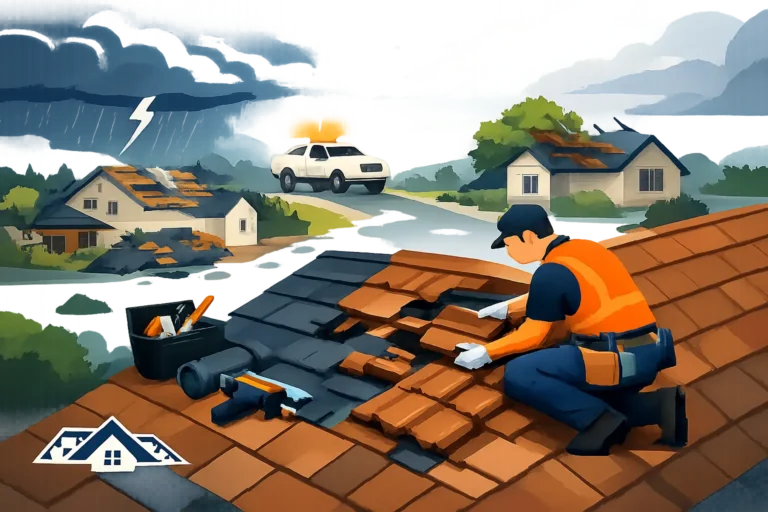
When a storm tears shingles loose at 2 a.m. or sends water into the attic during a hard coastal rain, you do not have the luxury of waiting until it is convenient. Emergency roof repair after storm damage is about protecting the rest of your home quickly, safely, and with the right next steps so a short-term problem does not become a major structural repair.
For homeowners and property managers in storm-prone areas, the first few hours matter most. Wind-driven rain can travel farther than people expect. A leak that looks small from a bedroom ceiling may actually be soaking insulation, roof decking, framing, and electrical areas above it. The goal is not just to stop the visible drip. It is to limit damage, document what happened, and make smart decisions under pressure.
What counts as emergency roof repair after storm damage?
Not every roofing issue is an emergency, but some situations need immediate attention. If the roof has an active leak, missing sections of shingles, exposed underlayment, lifted flashing, punctures from fallen branches, or sagging areas after a storm, it should be treated as urgent. The same is true if water is entering around vents, skylights, chimneys, or wall intersections.
The line between urgent and non-urgent can be blurry. A single shingle on the lawn after a storm may not seem severe, but if that loss exposed a vulnerable area during ongoing rain, the roof may need temporary protection right away. On the other hand, cosmetic granule loss with no sign of water intrusion may allow for a scheduled inspection instead of an emergency response. This is where experienced assessment matters.
What to do first after a storm hits
Start inside the home. If water is entering, place buckets or containers under active drips and move furniture, electronics, and valuables away from the area. If the ceiling is bulging with trapped water, that can indicate pooling above drywall. In some cases, controlled drainage may reduce collapse risk, but homeowners should be cautious. If there is any chance water has reached wiring, light fixtures, or electrical panels, shut off power to the affected area if it is safe to do so and contact a professional.
Then look for signs of storm damage from the ground. Use binoculars if needed. You may spot missing shingles, bent metal, debris impact, or tree limbs on the roof. What you should not do is climb onto a wet, wind-damaged roof. That is one of the fastest ways a property emergency turns into a personal injury.
Take clear photos and short notes as soon as conditions allow. Capture exterior views, interior leaks, damaged ceilings, fallen branches, and any personal property affected. If you plan to file an insurance claim, this record helps show the scope and timing of the damage.
Temporary protection matters, but it has limits
A proper emergency response often includes temporary measures to keep more water out until permanent repairs can be completed. That might mean tarping over a damaged section, sealing a vulnerable penetration, or securing loose materials that could peel back further in the next wind event.
Temporary repairs are useful, but they are not the finish line. A tarp can buy time. It does not restore the roof system beneath it. If underlayment has been compromised, flashing shifted, or decking softened by moisture, those issues still need to be addressed directly. Waiting too long after an emergency patch can lead to mold growth, interior rot, insulation damage, and more expensive reconstruction.
This is also why quick, unverified fixes can backfire. Storm-chasing crews and handymen may offer fast patches at low prices, but if the work is not done safely or correctly, homeowners can end up paying twice. In roofing, speed matters, but so do training, insurance, and workmanship standards.
The biggest mistakes homeowners make
The most common mistake is trying to inspect or repair the roof themselves during unsafe conditions. Even a one-story roof becomes dangerous when it is wet, debris-covered, or structurally weakened. The second mistake is assuming the leak is directly above the water stain. Roof leaks often travel along rafters, decking, and insulation before becoming visible indoors.
Another costly mistake is delaying the call because the leak appears to stop once the rain ends. Storm damage does not fix itself when the weather clears. Wind can break seals, lift flashing, and create openings that only show symptoms during certain wind directions or rainfall intensity. By the time the leak becomes constant, the hidden damage may be much worse.
Finally, some property owners focus only on the shingle surface and overlook the full roofing system. Storm events can damage ridge vents, pipe boots, valleys, soffits, fascia, and attic ventilation. A thorough emergency assessment should look at the entire system, not just the most obvious torn area.
How a professional handles emergency storm roof damage
A qualified roofer begins with safety and stabilization. That usually means identifying immediate hazards, preventing further water entry where possible, and assessing whether the damage is localized or more widespread. From there, the inspection should determine what can be temporarily protected and what needs full repair or replacement.
This process works best when it is clear and documented. Homeowners should expect an explanation of what was found, what short-term action was taken, and what permanent work is recommended next. If insurance is involved, detailed photos and written findings can make the process easier to understand.
There is also a craftsmanship difference that shows up after the emergency is over. Roof repairs need to blend with the existing system and restore proper water-shedding performance. That means matching materials where possible, addressing flashing correctly, checking adjacent components, and making sure the repair solves the root cause rather than covering symptoms.
Why coastal weather makes storm repairs more complicated
In coastal climates, storms tend to be less predictable and more punishing on roofing systems. Wind does not just remove shingles. It can loosen fasteners, stress seal strips, drive rain sideways under vulnerable edges, and expose weaknesses that developed over years of salt air, freeze-thaw cycles, and seasonal temperature swings.
That is why emergency roof repair after storm events often depends on the age and condition of the roof before the storm. A newer roof with properly installed shingles and flashing may need a focused repair. An older roof near the end of its service life may reveal broader failure once storm damage is assessed. Homeowners do not always want to hear that, but honest guidance matters. Sometimes a repair is the right move. Sometimes it only delays a more practical replacement decision.
For that reason, local experience counts. A contractor familiar with regional weather patterns, common failure points, and manufacturer-backed systems is usually better equipped to recommend the right fix without guesswork. Companion Roofing takes that approach seriously, with a focus on dependable service, documented workmanship, and roofing solutions built for long-term performance.
Repair or replacement after a storm?
This depends on several factors: how extensive the damage is, whether water has reached the decking or interior structure, how old the current roof is, and whether matching materials are still available. If only one area was affected and the surrounding roof is in good shape, a repair may be the most cost-effective path.
If the storm exposed multiple weak spots, caused widespread shingle loss, or damaged an aging roof that already had issues, replacement may offer better value. It can also provide stronger warranty protection and reduce the risk of repeat service calls after the next major weather event. The right answer is rarely about the cheapest immediate option. It is about what best protects the property over time.
Choosing the right contractor when time is tight
An emergency pushes people to make quick decisions, which is exactly when credentials matter most. Look for a roofer who is insured, experienced with storm response, and able to explain both the temporary and permanent repair plan clearly. Manufacturer certifications and warranty-backed installation standards are worth paying attention to, especially when the roof system may need more than a basic patch.
It also helps to choose a contractor who understands the insurance side without turning the conversation into sales pressure. You want straight answers, realistic timelines, and work that will hold up after the trucks leave.
Storm damage is stressful, but the next step does not need to be confusing. Focus on safety first, protect the interior, document what you can, and bring in a trusted roofing professional who will treat the emergency like the serious issue it is. A fast response is important. A careful one is what protects your home for the long run.