
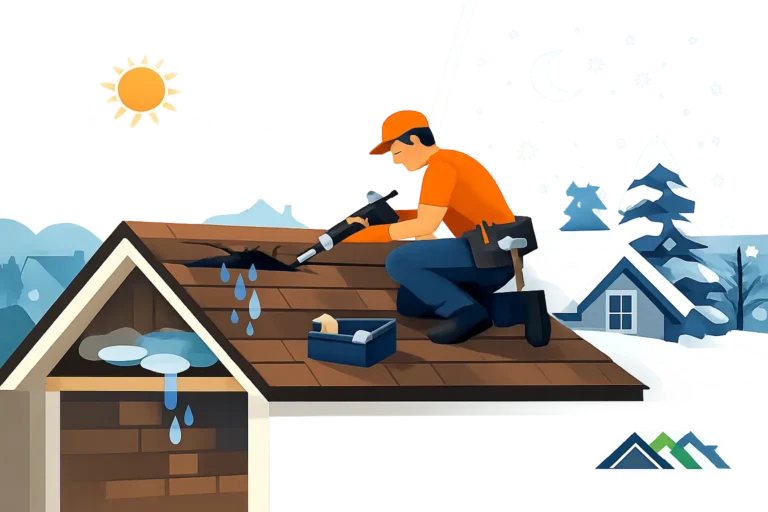
The first hard freeze has a way of turning a manageable roof issue into a far more expensive one. A small stain on the ceiling in October can become soaked insulation, interior damage, and emergency service in January. That is why roof leak repair before winter is not just routine maintenance – it is one of the smartest steps a homeowner can take before cold weather settles in.
In Halifax-area conditions, roofs take a beating from wind, rain, freeze-thaw cycles, and heavy snow loads. When water finds even a small opening around shingles, flashing, vents, or roof penetrations, it rarely stays small for long. Once temperatures drop, trapped moisture can expand, loosen materials, and create a much larger path for water to enter the home.
Why roof leak repair before winter is worth doing now
The biggest reason to act early is simple: roofing problems get less predictable in winter. A leak that seems minor in mild weather can spread under shingles, move along decking, or show up in a different room than the entry point once snow and ice begin to build. Diagnosis becomes harder, repairs become more weather-dependent, and the interior risks increase.
There is also a cost issue. When a leak is repaired before winter, the work is usually more focused and less disruptive. If that same leak is ignored, the repair may eventually involve damaged sheathing, wet insulation, stained drywall, mold concerns, or even structural wood deterioration. In other words, early action often protects both the roof and everything beneath it.
For many property owners, timing is the real challenge. If the roof is not actively dripping, it is easy to put the problem off. But roofs do not grade on comfort. They respond to exposure, and coastal winter weather puts every weak point under stress.
Signs you may need roof leak repair before winter
Not every leak announces itself with a steady drip into a bucket. In fact, many roofing leaks start quietly. A faint brown ceiling mark, peeling paint near an exterior wall, or a musty smell in the attic can all point to moisture getting in where it should not.
Missing shingles are an obvious warning sign, but they are not the only one. Damaged flashing around chimneys, skylights, plumbing vents, and roof valleys is a common source of leaks. Older sealants can crack. Fasteners can back out. Wind can lift roofing materials just enough to let driven rain enter.
Homeowners should also pay attention after a storm. If you notice granules collecting in gutters, pieces of shingle in the yard, or damp spots near upper-floor ceilings, it is worth having the roof checked. Waiting for a larger failure usually means paying for more than just the repair itself.
The attic often tells the story first
If it is safe to inspect, the attic can reveal early evidence of a roofing problem. Darkened wood, damp insulation, water staining, or visible daylight near penetrations all suggest trouble. Frost buildup in winter can also indicate that warm, moist air is meeting a cold surface because the roof system is compromised or poorly ventilated.
That said, roof leaks are not always straightforward. Water can travel along rafters or decking before it becomes visible inside the house. What looks like a leak over one room may actually originate much higher up the roof slope.
What causes winter roof leaks to get worse
Winter adds pressure in several ways. The first is the freeze-thaw cycle. Water enters a small gap, temperatures drop, and that moisture freezes and expands. The opening can widen, surrounding materials can shift, and the next round of rain or melting snow gets in even more easily.
The second issue is snow and ice accumulation. Snow sitting on a roof is not always a problem by itself, but melting and refreezing near eaves can create ice dams. When drainage is blocked, water may back up under shingles instead of flowing off the roof as intended. Even a roof with decent materials can struggle if there are already weak points in the system.
Wind is another factor. In exposed coastal areas, winter storms can lift loosened shingles, stress flashing, and push water into joints that stay dry in calmer seasons. A roof that has deferred maintenance is far more vulnerable when these conditions arrive together.
Repair now or wait until spring?
Sometimes homeowners ask whether it makes sense to patch the leak and plan a larger repair later. The answer depends on the roof’s age, the extent of the damage, and whether the issue is isolated or part of a wider pattern.
If the leak comes from a single damaged section on an otherwise sound roof, a targeted repair before winter is often the right move. If the roof has widespread wear, multiple leaks, curling shingles, or repeated repair history, a short-term fix may only buy limited time. In those cases, a professional inspection can help determine whether a repair is still cost-effective or whether replacement should be part of the conversation.
This is where experience matters. A quick patch that traps moisture or fails under cold-weather stress can leave you in a worse position than before. Proper diagnosis matters just as much as the repair itself.
What a professional roof leak repair should include
Good roof repair is not just about covering the visible hole. It starts with identifying the actual entry point, checking surrounding materials, and looking for hidden moisture damage. That may include inspecting shingles, underlayment, flashing, roof penetrations, decking condition, and attic evidence.
From there, the repair should match the roof system and the condition of the surrounding area. Sometimes that means replacing damaged shingles and resealing flashing. Other times it means removing compromised sections to inspect the decking underneath. If the wood substrate is soft or deteriorated, replacing the surface materials alone will not solve the problem for long.
For homeowners, the value of working with a qualified, insured roofing contractor is not just the repair itself. It is the confidence that the issue has been traced properly and fixed to a professional standard. Companion Roofing takes that approach seriously because durable roofing work starts with doing the diagnosis right the first time.
Why certification and workmanship matter
Roofing is one of those trades where the cheapest option can become the most expensive one later. If a contractor cuts corners on flashing details, uses mismatched materials, or skips the underlying inspection, the leak may return during the exact weather you were trying to prepare for.
Certification, insurance, and documented workmanship standards matter because they reduce that risk. Homeowners are not just buying labor. They are buying accountability, proper installation practices, and a repair strategy designed to hold up in real conditions.
How to protect your roof before cold weather hits
If you suspect a leak, book an inspection before the schedule fills up with emergency calls. Fall is the practical window for addressing roofing issues while conditions are generally safer and more consistent for repair work.
It also helps to keep gutters clear, watch for storm damage, and avoid dismissing small interior signs. Moisture stains, attic condensation, and loose roofing components rarely improve on their own. If your roof is older, an annual inspection can catch developing problems before they turn into active leaks.
There is a trade-off here. Not every roof concern needs major work right away, and a trustworthy contractor should be honest about that. But waiting without an informed assessment is different from choosing a measured plan. The first approach increases risk. The second gives you options.
Peace of mind matters in winter
Most homeowners do not think much about the roof until water shows up indoors. That is understandable, but winter is a hard time to discover that a small problem has been growing unnoticed. Roof leak repair before winter gives you a chance to deal with the issue on your terms, before storms, snow, and freezing temperatures start making decisions for you.
If you have seen warning signs, this is the season to act on them. A timely repair can protect insulation, ceilings, framing, and the overall life of the roof itself. More than that, it lets you head into winter with one less thing to worry about – and that is worth a great deal when the weather turns.